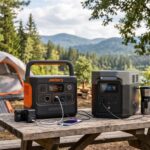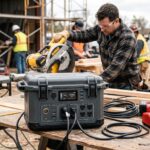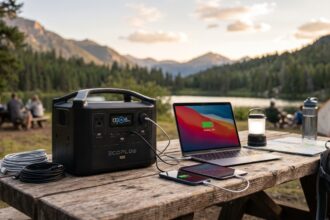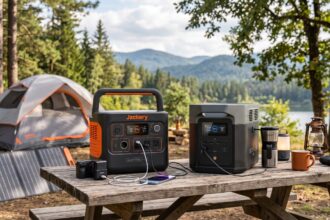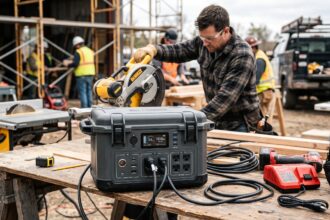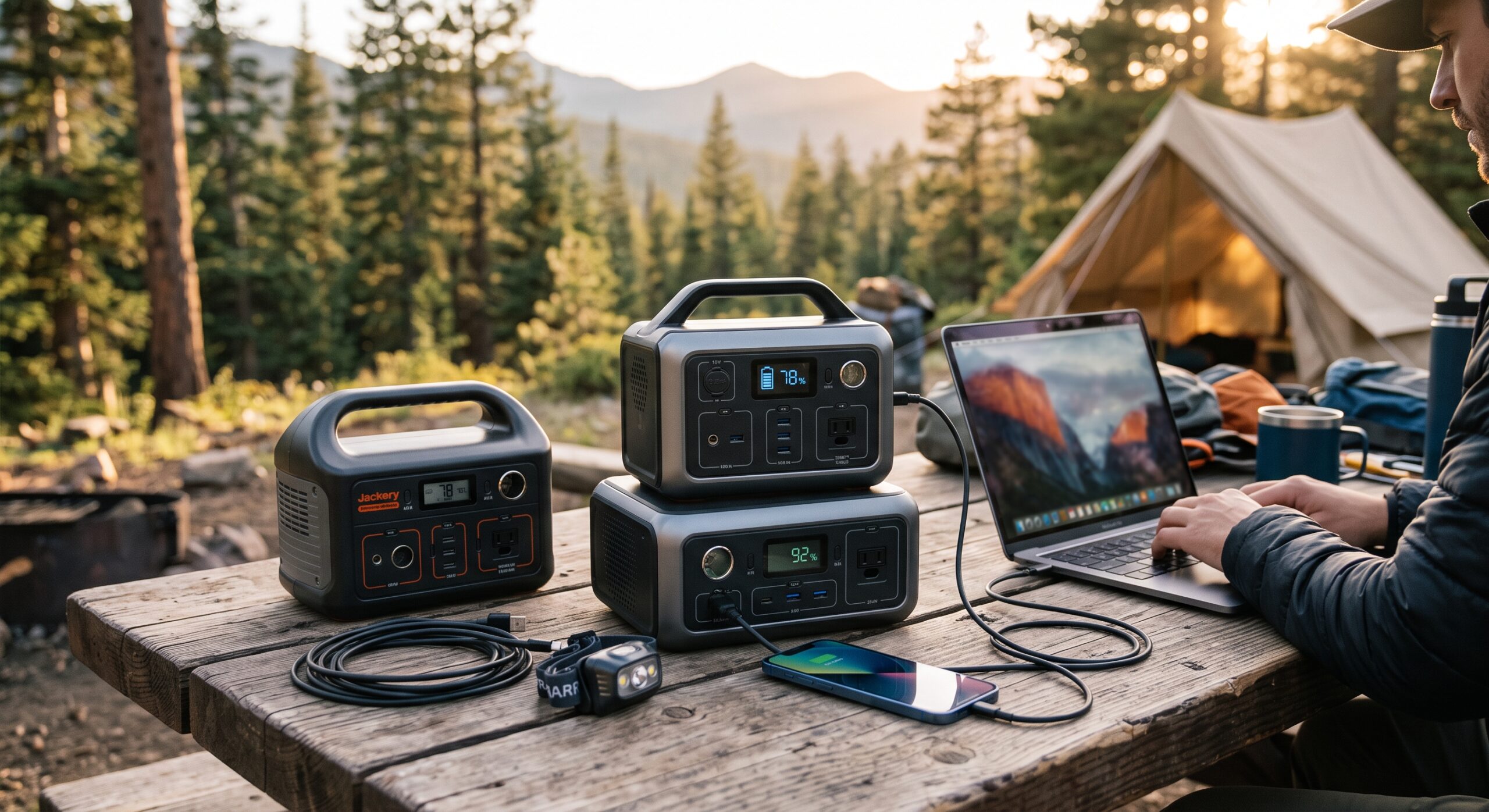
For light-duty needs phone charging, small lighting, short device use a power station under $300 covers the essentials without unnecessary expense. Here are the top options in this price range.
Entering the world of portable power stations does not require spending thousands of dollars on massive home backup systems. For many outdoor enthusiasts, road trippers, students, and remote workers, an ultra-portable, budget-friendly power station is more than sufficient. These compact units provide true energy independence for weekend camping trips, photography shoots, tailgate parties, or unexpected residential power flickers.
In recent years, intense manufacturer competition and technological advancements have transformed the sub-$300 segment. What used to be a category filled with slow-charging, short-lived batteries has now inherited premium features once reserved for flagship models: long-lasting Lithium Iron Phosphate (LiFePO4) cell chemistry, ultra-fast bi-directional charging, and integrated digital management displays.
Quick Comparison: Top Picks Under $300
| Model | Battery Capacity | Continuous Inverter Rating | Cell Chemistry | Approximate Weight | Standout Feature |
| Jackery Explorer 240 v2 | ~240Wh | 300W | LiFePO4 (LFP) | 7.7 lbs (3.5 kg) | Proven outdoor durability and dead-simple interface |
| Anker Solix C200 | ~200Wh | 200W–300W | LiFePO4 (LFP) | 6.4 lbs (2.9 kg) | Compact footprint, GaN efficiency, and high-wattage USB-C |
| Bluetti EB3A | ~268Wh | 600W | LiFePO4 (LFP) | 10.1 lbs (4.6 kg) | Massive inverter output and ultra-fast wall recharging |
Top Picks
1. Jackery Explorer 240 v2 Best Overall
At roughly 240Wh, this covers basic phone charging and small lighting needs reliably, backed by Jackery’s consistent build quality.
The original Jackery Explorer 240 was an industry icon that introduced millions of outdoor enthusiasts to portable power. The refreshed “v2” edition upgrades the internal architecture to modern standards by adopting a Lithium Iron Phosphate (LiFePO4) battery core. This gives the unit an operational lifespan exceeding 3,000 charge cycles before dropping to 80% capacity, meaning you can use it daily for nearly a decade.
The physical chassis remains one of its greatest assets. Built from rugged, impact-resistant polycarbonate with a sturdy, permanently integrated carry handle, it easily packs alongside camping coolers and sleeping bags without taking up valuable cargo space. Its interface is clean and accessible: three dedicated mechanical buttons control the AC, DC, and USB outputs independently, while a bright, high-contrast LCD screen shows incoming wattage, outgoing wattage, and remaining battery percentage in clear numbers. It is an ideal companion for car campers, weekend stargazers, and festival goers who want dependable off-grid power with zero learning curve.
2. Anker Solix C200 Best Value
A slightly smaller capacity option with strong value, suited to minimalist users prioritizing cost above extra capacity.
Anker brings its world-class expertise in consumer electronics, mobile fast chargers, and Gallium Nitride (GaN) semiconductor technology to the Solix C200. Designed with a sleek, minimalist aesthetic, this unit targets digital nomads, photographers, and travelers who need to keep smartphones, cameras, and laptops charged without carrying extra weight.
Despite its modest capacity, the C200 shines in port utility. It features bidirectional high-wattage USB-C Power Delivery ports capable of charging modern laptops directly at full speed without needing bulky AC wall adapters. By avoiding the efficiency losses inherent in DC-to-AC conversion, you squeeze substantially more usable energy out of its battery pack. Furthermore, Anker’s unibody design is drop-resistant and structurally rigid, engineered to withstand the vibrations and minor impacts of overland travel. For buyers prioritizing compact size, modern connectivity, and exceptional value, the C200 delivers outstanding efficiency per dollar.
3. Bluetti EB3A Best Output for the Price
Despite its compact size, this unit offers notably higher continuous output than most competitors in this price range, allowing brief use of higher-draw devices.
While most entry-level power stations cap their AC pure sine wave inverters at 200W or 300W, the Bluetti EB3A breaks the mold by incorporating a beefy 600W pure sine wave inverter (with a surge peak up to 1,200W). This extra headroom is a massive advantage in everyday scenarios: it allows you to power small immersion blenders, modest power tools, slow cookers, or desktop computers that would immediately trigger overload protection on competing units.
Beyond its inverter output, the EB3A includes advanced features rarely seen at this price point. It can recharge from a standard AC wall outlet at up to 430W in fast-charging mode, replenishing from 0% to 80% in approximately 30 to 45 minutes. It also features a wireless smartphone charging pad integrated into the top casing, a built-in LED flashlight with SOS mode, and full Bluetooth app connectivity for remote monitoring. If you need maximum electrical performance and high power delivery under $300, the EB3A remains the performance benchmark in its class.
What to Expect at This Price Point
Units under $300 typically offer 200-260Wh of capacity with 300W or less continuous output enough for phones, small lights, and short laptop use, but not for a fridge or any high-draw appliance.
To avoid disappointment, it is critical to align your real-world expectations with the physical limits of compact battery storage. Understanding what these units can—and cannot—power will ensure you select the appropriate tool for your lifestyle.
Realistic Runtime Projections
| Device Category | Typical Wattage Draw | Expected Performance on a ~240Wh Unit |
| Smartphone (iPhone / Galaxy) | 12W – 18W | 15 to 20 full recharges |
| Mirrorless Camera Battery | 8W – 12W | 12 to 16 full recharges |
| Camping LED Lantern / String Lights | 5W – 10W | 20 to 35 hours of continuous runtime |
| MacBook / USB-C Laptop | 45W – 65W | 2.5 to 3.5 full recharges |
| Drone Battery (DJI Mini / Air) | 30W – 40W | 4 to 6 full recharges |
| Mini 12V Car Cooler / Portable Fridge | 35W – 50W (cycling) | 4 to 6 hours (emergency use only) |
| 12V CPAP Machine (No heat/humidifier) | 20W – 30W | 6 to 8 hours (single night backup) |
Inverter Limits: The Continuous Wattage Ceiling
A common beginner mistake is confusing capacity (Watt-hours / Wh) with output power (Watts / W):
- Watt-hours (Wh) represent the size of the fuel tank—how long a device can run.
- Continuous Watts (W) represent the size of the pipe—what appliances can turn on.
Because sub-$300 stations typically top out between 200W and 300W of continuous inverter power (with the notable exception of the 600W Bluetti EB3A), they cannot supply power to resistive heating elements. Electric kettles, standard hair dryers, microwave ovens, portable space heaters, and traditional drip coffee makers draw 1,000W to 1,800W. Attempting to plug these appliances into an entry-level generator will instantly trip the internal circuit breaker.
Key Buying Factors to Consider Before Purchasing
When evaluating budget generators, look beyond the marketing slogans and review these technical criteria:
- LiFePO4 vs. Traditional NCM Chemistry: Older budget units often utilized Nickel Cobalt Manganese (NCM) cells, which degrade significantly after 500 discharge cycles. Modern units utilize LiFePO4 cells rated for 3,000+ cycles. Always verify the cell chemistry before buying.
- Pure Sine Wave vs. Modified Sine Wave: Inexpensive off-brand power banks sometimes use modified sine wave inverters, which emit dirty electrical signals that can overheat laptop chargers, introduce audio hum, or damage sensitive motors. Stick with reputable brands offering pure sine wave AC output.
- Solar Recharging Capabilities: A compact power station paired with a 60W to 100W portable folding solar panel becomes a sustainable off-grid micro-system. Check that the unit has an internal MPPT (Maximum Power Point Tracking) charge controller to maximize solar energy intake during cloudy periods.
- Integrated Uninterruptible Power Supply (UPS): If you plan to keep your Wi-Fi router, desktop workstation, or CPAP machine running during localized brownouts, select a model with a low switchover latency (such as the Bluetti EB3A’s 20ms UPS rating) to prevent unexpected hardware resets.
Practical Maintenance and Storage Tips
- Avoid Sub-Zero Charging: While LiFePO4 batteries discharge reliably in cold weather, charging them when the ambient temperature falls below 32°F (0°C) can cause permanent lithium plating, permanently damaging the battery cells. Always bring the unit inside a warm vehicle or tent before connecting it to a wall outlet or solar panel.
- Store at Optimal Charge Levels: If you store your generator in a closet for seasonal emergency backup, do not leave it plugged into the wall at 100% indefinitely, and never store it completely empty at 0%. Aim to store the battery at roughly 60% to 80% state of charge in a cool, dry location.
- Perform Biannual Calibration: Every six months, discharge the power station down to 0% and recharge it undisturbed to 100%. This simple step resets the internal Battery Management System (BMS) coulomb counter, ensuring that on-screen percentage gauges and remaining runtime estimates remain completely accurate.
Bottom Line
For genuinely light power needs, the Jackery Explorer 240 v2 offers the most dependable option under $300, while the Bluetti EB3A stands out if you occasionally need to run something with slightly higher power draw.
By matching your daily device consumption to the correct inverter rating, prioritizing modern LiFePO4 battery longevity, and leveraging high-efficiency USB-C ports, an entry-level power station under $300 provides exceptional off-grid freedom and dependable emergency resilience without stretching your budget.